
Why Are PP Materials End Plugs Essential in Industrial Applications?
Polypropylene (PP) materials end plugs have become a cornerstone in various industrial and manufacturing applications. Their durability, chemical resistance, and ease of installation make them indispensable for protecting equipment, sealing pipes, and enhancing operational efficiency. This article explores the features, benefits, applications, selection criteria, and maintenance of PP materials end plugs, providing practical insights for engineers, procurement specialists, and maintenance professionals.
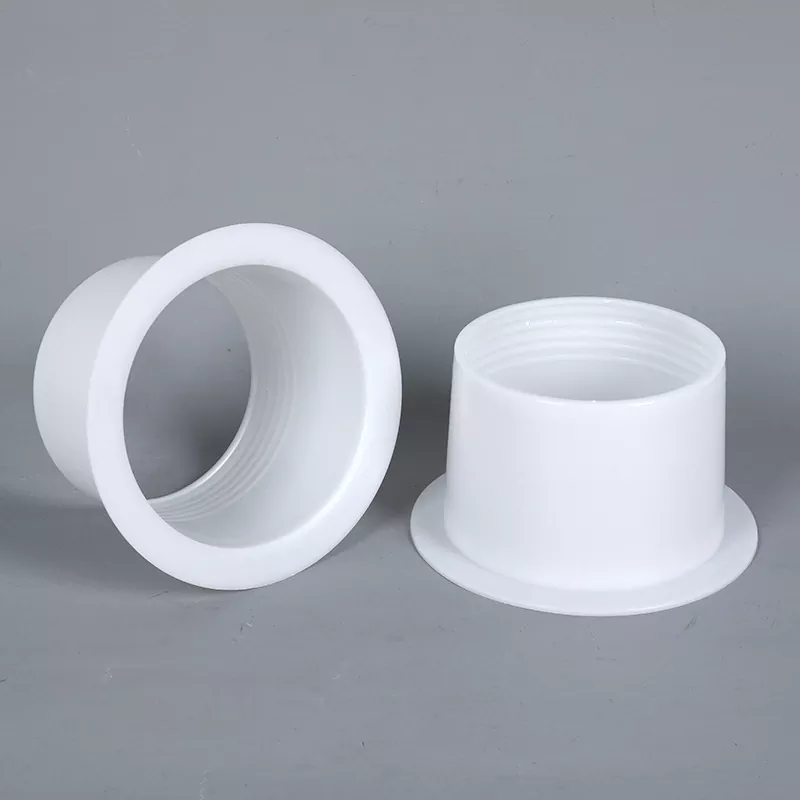
Table of Contents
- Introduction to PP Materials End Plugs
- Key Benefits of Using PP End Plugs
- Common Applications
- How to Choose the Right End Plug
- Installation and Maintenance Tips
- Troubleshooting Common Issues
- FAQ About PP Materials End Plugs
- Conclusion
Introduction to PP Materials End Plugs
PP materials end plugs are specifically designed closures used to seal the ends of tubes, pipes, or containers made from polypropylene and other compatible plastics. Their primary function is to protect equipment and materials during storage, transport, and operational processes. Made from high-quality polypropylene, these plugs offer chemical resistance, flexibility, and excellent longevity, making them suitable for harsh industrial environments.
The manufacturing process typically involves precision molding, ensuring that each plug fits tightly and consistently. Over time, PP end plugs have become a preferred choice in chemical, food, pharmaceutical, and water treatment industries.
Key Benefits of Using PP End Plugs
- Durability: PP end plugs resist cracking, deformation, and wear even under high stress.
- Chemical Resistance: Resistant to acids, alkalis, and solvents, protecting equipment from corrosion.
- Cost-Effective: Long lifespan and low maintenance reduce overall operational costs.
- Ease of Installation: Simple push-fit or threaded designs allow quick installation and removal.
- Environmental Resistance: Perform reliably in high temperature, moisture, or UV-exposed conditions.
Common Applications
PP materials end plugs are widely used in various sectors. Some of the most common applications include:
| Industry | Application | Purpose |
|---|---|---|
| Chemical | Pipes and tubing closures | Prevent chemical leakage and contamination |
| Food & Beverage | Sealing containers and transport tubes | Maintain hygiene and prevent spoilage |
| Pharmaceutical | Protective closures for production lines | Ensure sterile conditions and compliance |
| Water Treatment | Pipes and valve end plugs | Prevent water ingress or leakage |
| Electronics | Sealing protective tubes | Prevent dust or moisture damage |
How to Choose the Right End Plug
Selecting the proper PP materials end plug depends on multiple factors:
- Size and Fit: Ensure the plug matches pipe diameter and wall thickness.
- Operating Conditions: Consider temperature, pressure, and chemical exposure.
- Plug Type: Choose from push-fit, threaded, or expansion plugs based on application.
- Compliance Requirements: Food-grade, pharmaceutical-grade, or chemical-resistant certifications may be needed.
- Color Coding: Helps in quick identification and safety management.
Using a wrong-size or unsuitable material plug may lead to leakage, contamination, or operational failures, causing unnecessary downtime and cost.
Installation and Maintenance Tips
Proper installation ensures long-lasting performance. Here are some recommended practices:
- Surface Cleaning: Ensure that pipe ends are free from dirt, oils, or debris.
- Lubrication: Use compatible lubricants if necessary to prevent damage during insertion.
- Push or Thread Fit: Follow manufacturer instructions for correct insertion depth.
- Regular Inspection: Periodically check plugs for cracks or wear.
- Replacement: Replace plugs immediately if signs of degradation are visible.
Troubleshooting Common Issues
Even high-quality PP end plugs may face occasional issues. Here’s a quick guide:
- Leakage: Check size compatibility and proper insertion depth.
- Deformation: Ensure plugs are rated for the operating temperature.
- Chemical Reaction: Verify chemical compatibility with PP material.
- UV Damage: Use UV-resistant PP plugs for outdoor applications.
FAQ About PP Materials End Plugs
Q1: Can PP end plugs be used in high-temperature applications?
A: Standard PP end plugs can withstand temperatures up to 100°C, while modified high-temperature versions may tolerate up to 120°C.
Q2: Are PP materials end plugs reusable?
A: Yes, they can be reused if inspected and maintained properly without visible damage.
Q3: How do I determine the correct plug size?
A: Measure the internal diameter of the pipe or container and consult manufacturer sizing charts.
Q4: Do PP end plugs comply with food and pharmaceutical standards?
A: Many PP end plugs are FDA or GMP certified, but it is essential to verify certification before use.
Q5: How long can PP end plugs last?
A: Depending on operating conditions, they can last several years with proper maintenance.
Conclusion
PP materials end plugs offer a reliable, cost-effective, and durable solution for sealing and protecting industrial pipes, tubes, and containers. Understanding their benefits, applications, selection criteria, installation, and maintenance can significantly enhance operational efficiency and reduce risks. By investing in high-quality plugs from trusted manufacturers like Jiangsu Hongkai Plastic Technology Co., Ltd., businesses can ensure long-term reliability and performance.
If you want to explore the best solutions for your industrial needs, contact us today to discuss your requirements and get expert guidance on PP materials end plugs.