
Abstract
Modern industrial winding processes demand consistent dimensional stability, high mechanical strength, and long‑lasting core components for film, tape, and composite material manufacturing. FRP Core Tube serves as a central structural component that directly influences finished product flatness, winding uniformity and overall processing consistency. This article explores material properties, practical performance distinctions, real‑world application scenarios, key selection criteria, and common operational considerations for industrial core tube solutions, helping technical teams and production personnel make well‑informed component choices for continuous manufacturing workflows.
Table of Contents — Click each item to jump to corresponding section
- Material Composition and Fundamental Structural Properties
- Practical Mechanical Performance in Continuous Winding Environments
- Main Industrial Application Scenarios Across Multiple Sectors
- Performance Comparison Between Alternative Industrial Core Tube Options
- Critical Selection Guidelines for Production‑Grade Core Tube
- Handling, Storage and Daily Operational Best Practices
- Frequently Asked Technical Questions
Material Composition and Fundamental Structural Properties
Many production facilities rely on tubular cores to support large‑format roll materials throughout winding, unwinding, slitting and converting cycles. The internal structure determines how well a core can resist deformation under sustained radial pressure and rotational force. Fiber‑reinforced polymer construction uses continuous reinforcing fibers embedded within a thermoset resin matrix, cured under controlled temperature and pressure to achieve uniform wall density across the full tube length.
Wall thickness, fiber orientation distribution and resin formulation all contribute to final structural behaviour. Fibers aligned along the axial direction improve bending resistance, while cross‑laid fiber layers enhance hoop strength to withstand crushing forces when heavy roll masses press against the inner tube surface. Uniform resin impregnation eliminates dry fiber spots that would become failure initiation points during long‑term cyclic rotation.
Fiber Reinforcement Layer
Continuous high‑strength fibers arranged in multi‑angle orientations deliver multi‑directional mechanical performance. Careful fiber placement prevents localized weakness that may appear during high‑speed rotating operations.
Cured Resin Matrix
Thermoset resin binds fiber layers tightly together, delivering resistance against humidity, moderate chemical exposure and temperature fluctuation encountered inside standard production workshops.
Precision Machined Surface
Outer and inner surfaces are finished to strict dimensional tolerances. Smooth surface reduces abrasion contact against sensitive web materials during repeated winding and unwinding cycles.
- Homogeneous wall density avoids soft zones that cause uneven roll build‑up
- Consistent circular roundness keeps roll concentricity stable at varying rotation speeds
- Low moisture absorption rate prevents dimensional shift in variable‑humidity workshop conditions
- Integral forming structure removes risk of layer delamination under heavy load
Production teams often overlook how minor structural inconsistency in core tubes accumulates across thousands of operating cycles. Even subtle oval deformation will gradually translate into visible web wrinkling, thickness deviation and end‑product quality inconsistency. Understanding base material characteristics helps operators recognise why certain core solutions perform more reliably in demanding continuous‑run production lines.
Practical Mechanical Performance in Continuous Winding Environments
Inside high‑volume converting workshops, core tubes face combined stress sources: static compression from heavy wound rolls, dynamic bending from cantilevered machine spindles, cyclic vibration during high‑speed rotation, and intermittent shock during roll change‑over procedures. A core component must maintain geometry under all these combined stress forms without permanent shape change.
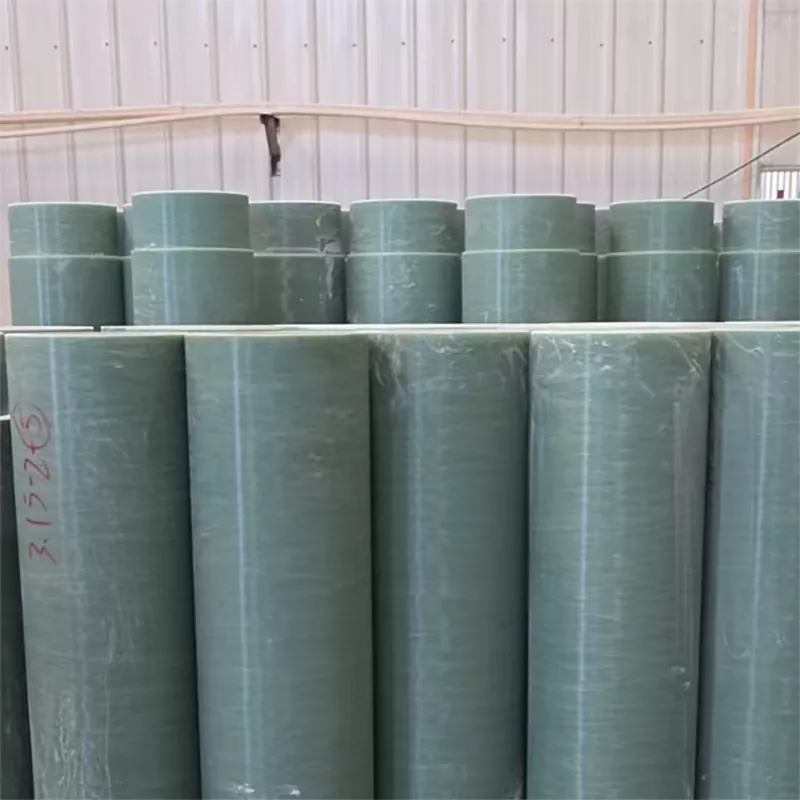
Bending stiffness defines how much deflection occurs when long tube sections are mounted onto overhanging spindles. Excessive deflection creates non‑uniform web tension across roll width. When deflection grows significant, web material will slip unevenly, generating edge misalignment and folded material edges that lead to substantial material waste during post‑processing steps.
- Hoop crush resistance: ability to withstand radial compression exerted by tightly wound heavy rolls
- Flexural stiffness: resistance to bending deflection under cantilever spindle mounting conditions
- Dynamic fatigue tolerance: performance retention after countless high‑speed rotation cycles
- Dimensional stability: outer diameter consistency despite ambient humidity and temperature shifts
Resistance to creep deformation deserves special attention. Under constant static load over extended time periods, many tubular materials slowly deform. Creep behaviour becomes critical for rolls that remain stored on cores for weeks before further conversion work. Permanent oval distortion directly ruins roll quality, making entire batches of web material unusable for high‑grade finished output.
Surface hardness also influences real‑world service life. Too soft outer surfaces develop indentations from web tension pressure; overly brittle surfaces chip during handling. Balanced surface toughness preserves smooth outer geometry over repeated roll loading cycles. FRP Core Tube demonstrates balanced surface hardness and structural toughness well‑suited for these long‑duration industrial operating conditions.
Main Industrial Application Scenarios Across Multiple Sectors
Roll‑to‑roll manufacturing exists across many different industry verticals, each setting unique operational requirements for supporting tubular cores. Requirements change according to web material thickness, total roll mass, operating line speed, storage duration and final quality specifications for finished goods.
Functional Film Processing
Optical films, protective release films and barrier packaging films require outstanding concentricity. Even tiny geometric deviation creates tension variation which produces visible film wave patterns on finished large‑size rolls.
Composite Material Production
Pre‑impregnated fiber webs and thin composite layers are wound under considerable tension. High hoop strength prevents tube crushing when large‑diameter heavy composite rolls are formed and temporarily stored on the core structure.
Special Tape and Adhesive Web Manufacturing
Adhesive coated materials are highly sensitive against surface irregularities. Any indentation or surface defect transfers directly onto adhesive layers, generating product defects that cannot be removed in downstream processing.
Other typical usage fields include thin metal foil winding, high‑grade textile web processing, and advanced membrane material production. In each case, core tube performance quietly defines upper limits for achievable finished‑roll quality. Some production lines operate 24‑hour continuous shifts, placing high demands on fatigue resistance and long‑term dimensional retention.
Many operators initially focus purely on outer dimension specifications, ignoring long‑term fatigue performance. Short‑term dimensional compliance does not guarantee stable performance after hundreds of winding cycles. Real‑world field feedback from manufacturing sites highlights that consistent long‑term geometry retention ranks among the most valuable practical attributes for production‑grade core tube hardware.
Jiangsu Hongkai Plastic Technology Co., Ltd. accumulates practical understanding across these diverse roll‑to‑roll application contexts, supporting technical specification alignment for varied industrial converting workflows.
Performance Comparison Between Alternative Industrial Core Tube Options
Multiple core tube material types appear on the industrial market, each carrying distinct strengths and inherent limitations. Evaluating technical trade‑offs helps engineering teams match core hardware to exact production constraints rather than relying on generalized assumptions. Below table compares key performance dimensions for widely‑deployed industrial tubular core solutions.
| Performance Dimension | Paper‑based Core Tube | Metal Alloy Core Tube | Fiber‑Reinforced Polymer Core Tube |
|---|---|---|---|
| Humidity Dimensional Shift | High sensitivity, obvious expansion or shrinkage | Minimal dimensional change | Very low moisture‑related geometry variation |
| Hoop Crush Resistance | Limited, risk of collapse under heavy roll mass | Extremely high crush resistance | High crush strength for heavy‑roll industrial workflows |
| Dynamic Fatigue Performance | Poor under repeated high‑speed rotation cycles | Good, but risk of surface scratching web material | Excellent multi‑cycle fatigue retention |
| Total Component Weight | Light weight | Substantial weight increases spindle load | Moderate weight, reducing mechanical spindle burden |
| Surface Abrasion Risk | Fibre shedding risk may contaminate clean‑grade webs | Sharp scratch risk if surface finish degrades | Smooth finished surface with low contamination potential |
| Long‑term Creep Resistance | Noticeable creep under sustained static load | Negligible creep deformation | Low creep for medium‑to‑long‑time roll storage scenarios |
Paper‑constructed cores remain suitable for many light‑duty, short‑term winding assignments. Nevertheless, high‑precision continuous‑run lines frequently encounter its limitations, especially when workshop humidity fluctuates or finished rolls require extended storage duration. Metal tubes deliver outstanding mechanical strength yet introduce extra spindle load and surface‑scratching hazards for delicate web substrates.
Fiber‑reinforced polymer solutions strike balanced performance across weight, stability, fatigue behaviour and surface quality. Not every product within this category delivers identical results; manufacturing process control, fiber layout precision and resin formulation create large gaps between different supplier offerings. FRP Core Tube built under tightly controlled production workflows can fill performance gaps left by alternative core tube material selections for high‑end converting lines.
Critical Selection Guidelines for Production‑Grade Core Tube
Selecting appropriate core tube hardware requires technical teams to look beyond simple inner‑outer diameter numbers. Many hidden parameters directly influence real‑world line performance, even if they seldom appear on basic datasheet summaries. Systematically reviewing these factors avoids unexpected quality problems emerging after components enter live production.
- Roundness and concentricity tolerance: Deviation from perfect circular geometry creates periodic tension fluctuation across web width during rotation
- Uniform wall thickness: Uneven wall thickness causes variable stiffness around tube circumference, triggering progressive roll distortion over winding cycles
- Allowable cantilever deflection value: Confirm maximum permitted deflection corresponding to actual spindle overhang length and anticipated roll total weight
- Surface finish specification: Rough surfaces risk scratching sensitive films and foils; excessively soft surfaces develop permanent indent marks under winding tension
- Operating ambient range: Confirm component suitability for typical temperature and humidity levels present within target production workshop
Engineering teams should gather full operating condition data before finalising specification requirements. Key input includes maximum roll total weight, effective roll width, spindle overhang length, maximum operating rotational speed, typical roll storage duration, material sensitivity to surface contact marks, and average workshop environmental parameters. Combining all these points helps filter out unspecified generic products and target components matching real‑world operating constraints.
Acceptance inspection protocols also deserve attention. Upon receiving new batches, basic dimensional sampling checks should verify outer diameter, inner diameter, wall thickness, surface condition and visual inspection for delamination, bubbles or surface cracks. Early detection of manufacturing non‑conformity prevents defective cores entering high‑value production workflows. FRP Core Tube batches benefit from systematic incoming quality verification before installation onto production spindles.
Handling, Storage and Daily Operational Best Practices
Even well‑manufactured core tube hardware can suffer avoidable damage caused by improper transportation, warehouse storage and workshop handling procedures. Good operational discipline extends usable service life and preserves original dimensional accuracy across repeated production cycles.
Warehouse Storage Principles
Store tubes horizontally on wide, evenly‑spaced support racks. Avoid point‑contact supports that create local bending stress. Keep storage area away from direct heat sources and extreme humidity swings. Prevent heavy objects stacking directly on top of bare tube surfaces.
Workshop Handling Rules
Prevent hard impacts and sharp‑tool contact against outer surfaces. Use padded lifting supports for long large‑diameter tubes. Avoid dragging tube ends across concrete workshop floors which creates chipping and surface gouging damage.
In‑Machine Operational Tips
Check spindle surface cleanliness before mounting tubes. Remove burrs or metal chips. Confirm tube seats fully against spindle shoulder. Do not apply excessive hammer force during roll loading operations. Regularly inspect outer surface for indentations, cracks or delamination marks between production runs.
Operators should establish simple visual inspection routines. Once surface indentations, visible cracks or layer separation appear, affected tubes should be withdrawn from service immediately. Continuing to use damaged core hardware introduces avoidable risks of web material spoilage or unexpected line stoppage events.
Cleaning protocols must match material characteristics. Abrasive scrubbing tools will destroy finished outer surfaces. Use soft lint‑free cloth with mild neutral cleaning agents whenever surface contamination removal becomes necessary. Strong solvent exposure should always be avoided to prevent degradation of resin matrix performance properties.
Frequently Asked Technical Questions
What main difference separates fiber‑reinforced polymer core tube from ordinary composite tubular products?
The key distinction lies in controlled multi‑angle fiber layout, uniform resin impregnation and precision post‑machining tolerances. General composite tubes may prioritise simple structural strength without optimising roundness, wall uniformity and dynamic fatigue behaviour required by continuous roll‑to‑roll converting lines. Production‑grade core tubes are engineered specifically for cyclic winding‑unwinding loads and strict concentricity requirements of web manufacturing workflows.
Can fiber‑reinforced polymer core tubes operate under high‑speed continuous production conditions?
Qualified components manufactured under strict process control support high‑speed continuous rotation. Actual safe operating speed relates to tube dimension, total roll mass, spindle mounting structure and roundness tolerance. Engineering review of operational parameters is always recommended before deploying new core hardware on high‑speed converting lines.
How can users identify early‑stage hidden defects before obvious failure appears?
Perform regular visual checks for surface micro‑cracks, local bulging or delamination lines. Monitor production‑line signals: unexpected web tension fluctuation, increasing web edge misalignment or unexplained roll quality shift may indicate underlying core tube geometry degradation. Periodic sampling dimensional measurement can detect subtle roundness drift invisible to naked‑eye observation.
Does wall thickness alone decide overall mechanical performance of the core tube?
Wall thickness is only one contributing factor. Fiber orientation arrangement, resin matrix quality, consistency of wall thickness around full circumference and curing process control collectively define real‑world mechanical performance. Simply increasing wall thickness cannot compensate poor fiber distribution or inconsistent manufacturing quality.
For further technical specification consultation and custom dimension discussion for your roll‑to‑roll production requirements, contact us to share your actual operating parameters and application conditions.
Contact Us