Products


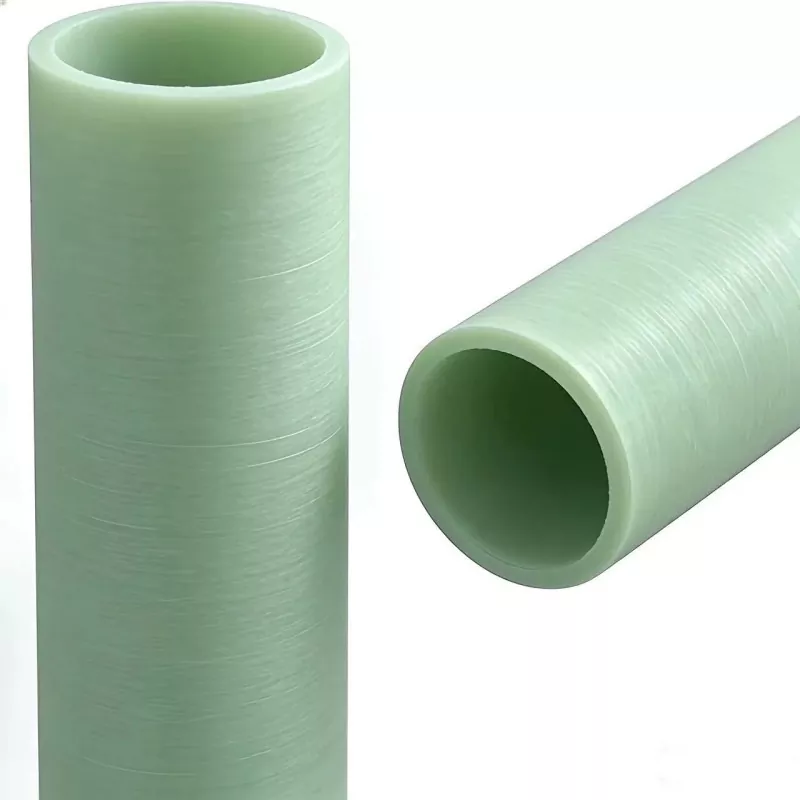
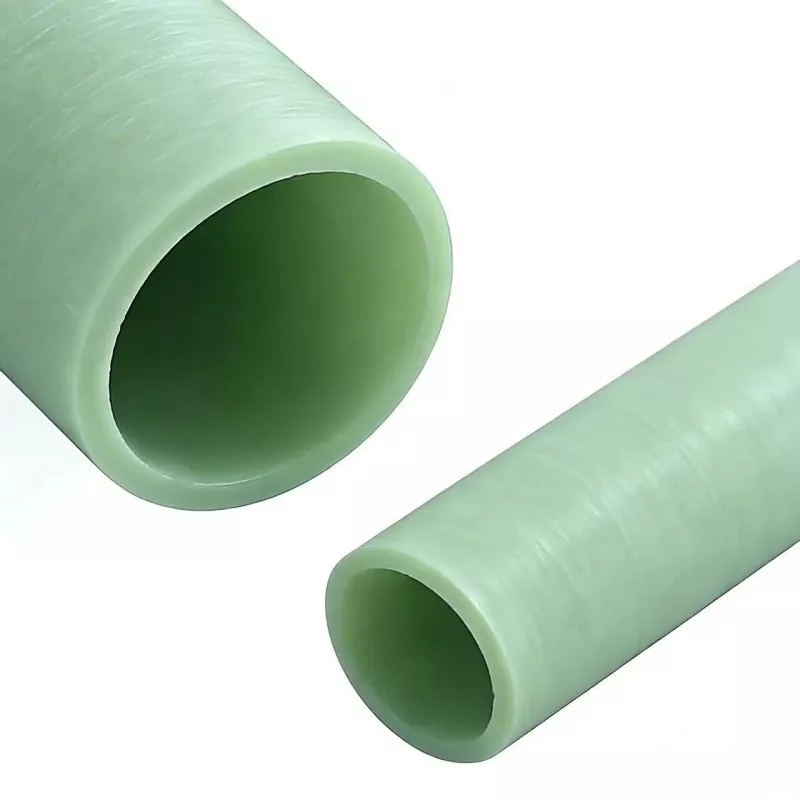
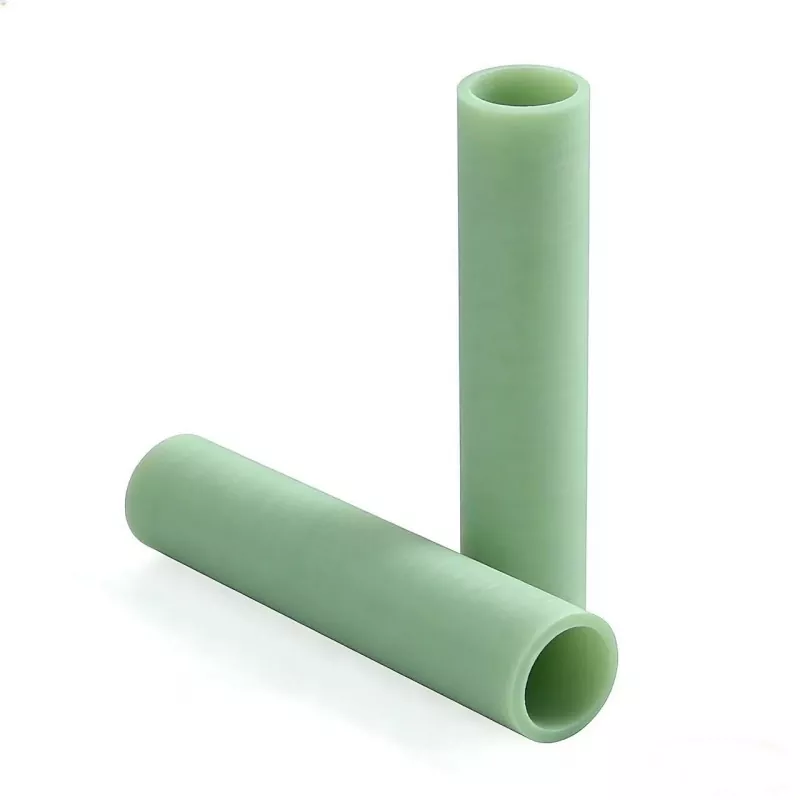
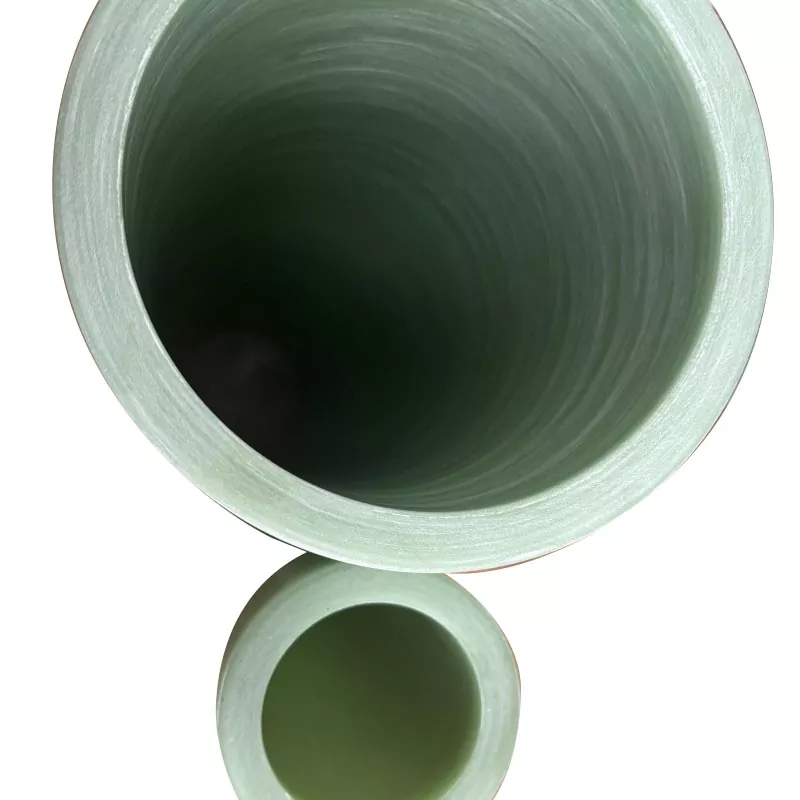
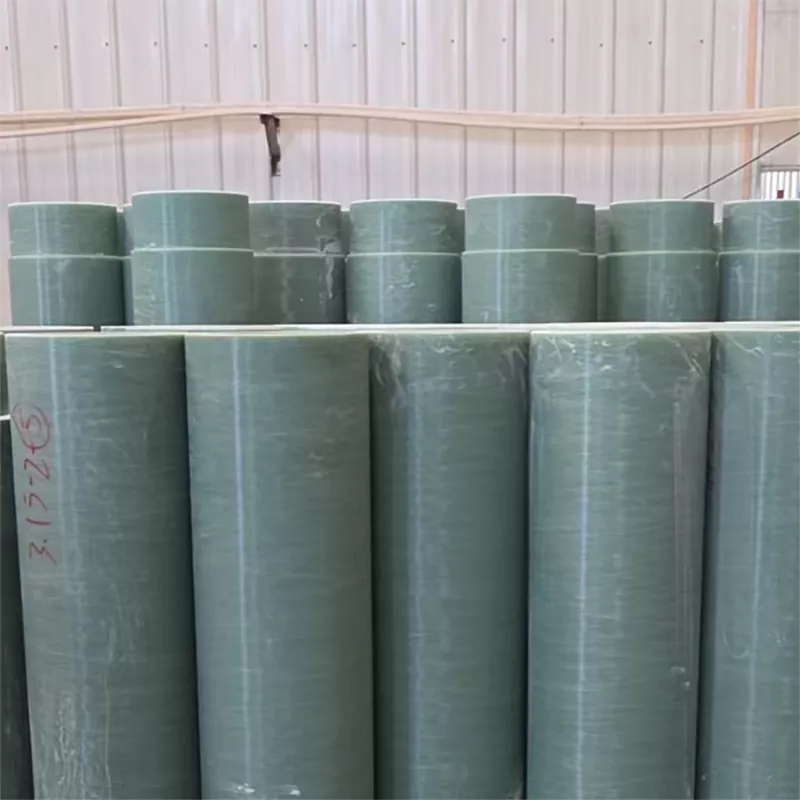
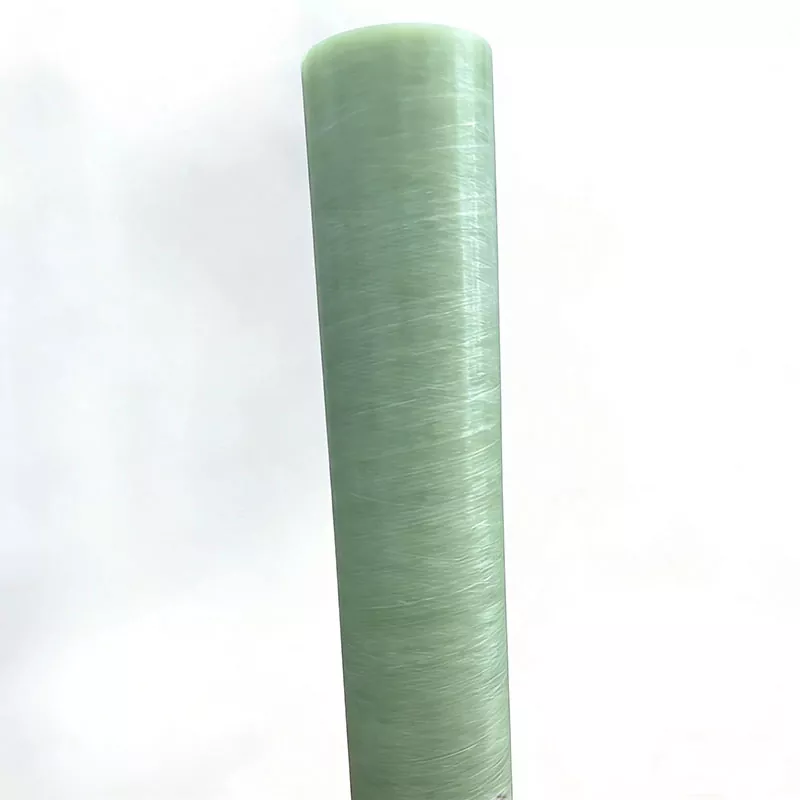
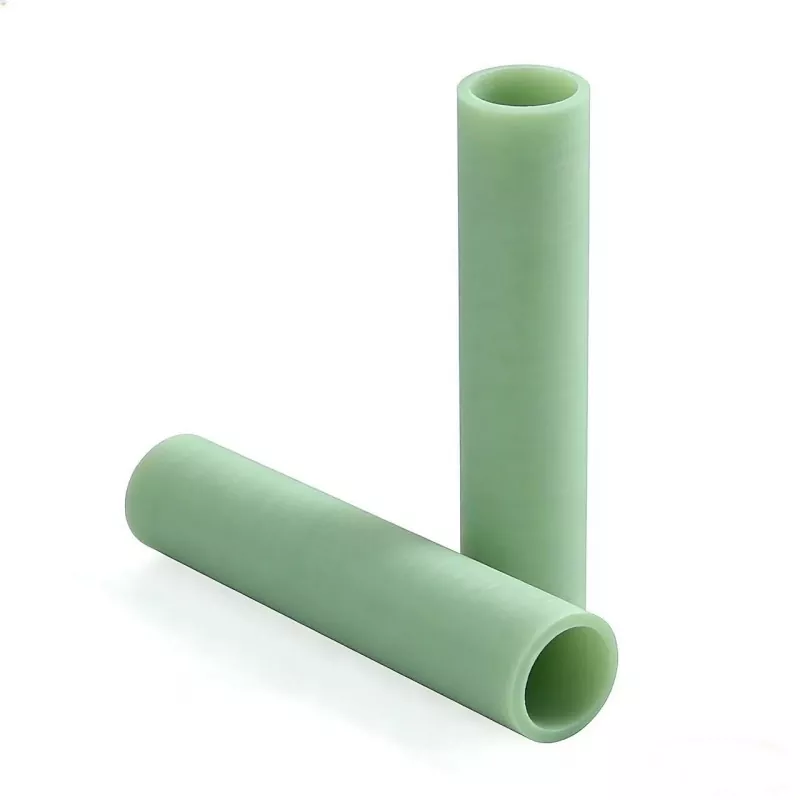
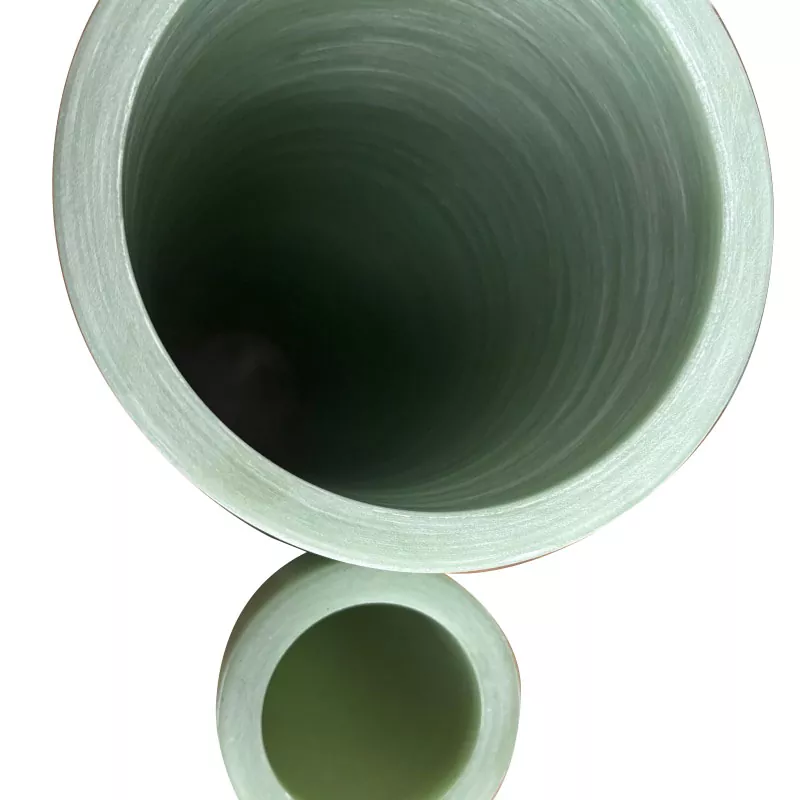
6-inch 152mm ID Fiberglass Core Tube(FRP Pipes)
Still struggling with the bulkiness and corrosion-prone nature of traditional core tubes? It's time to bid farewell to the old era and embrace a new revolution! Jiangsu Hongkai Plastic Technology Co., Ltd. proudly presents its groundbreaking innovation with utmost sincerity—the 6-inch 152mm ID fiberglass core tube(FRP pipes). Lightweight yet powerful, resilient against the test of time, it injects boundless vitality into your production!
Send Inquiry
Product Description
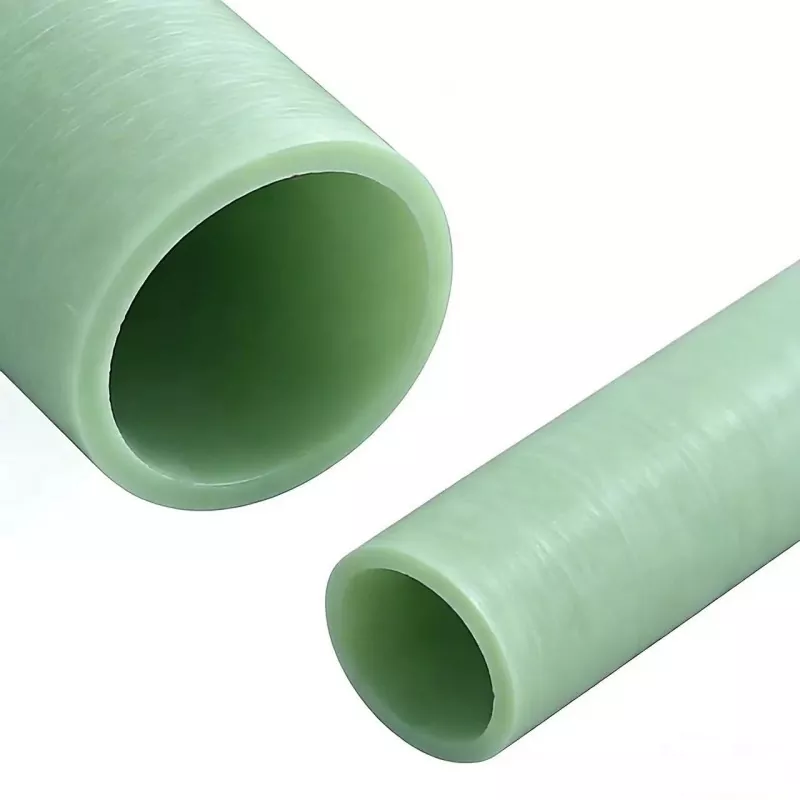
The 6-inch 152mm ID fiberglass core tube(FRP pipes) by Hongkai Plastic supplier, as a type of fiberglass-reinforced plastic pipe (FRP pipe), has its core raw materials categorized into two main types: reinforcing materials and matrix materials.
The 6-inch specification is a proven optimal size validated through extensive market research and practical application. In the field of film winding, whether for common packaging films or precision-critical optical films, the 6-inch inner diameter achieves perfect compatibility with winding equipment, ensuring smooth and efficient winding processes. In metal foil processing, this size provides sufficient support to prevent wrinkling or damage during winding while avoiding excessive bulk that could strain equipment. It meets the stringent requirements for “surface finish” and “straightness” demanded by high-end films.
FRP core tubes feature high-temperature resistance and insulation properties, with a standard operating range of -40°C to 80°C. Special formulations can withstand up to 200°C, ensuring stable performance in high-temperature environments. Non-magnetic material with no eddy current losses makes it suitable for power cable protection; its low thermal conductivity allows use as a heat insulator, safeguarding electronic components during transport.
FRP core tubes possess a unique fiber-reinforced structure that maintains excellent performance under repeated stress cycles. During prolonged use, even with frequent winding and unwinding operations, they resist fatigue cracking unlike traditional metal core tubes. This fatigue resistance significantly extends service life, reduces replacement frequency, and lowers production costs. During transportation and installation, core tubes inevitably endure impacts and collisions. The 6-inch FRP core tube, with its high-strength glass fibers and resilient resin matrix, effectively absorbs and disperses impact forces, preventing damage from collisions. Even under harsh operating conditions, it maintains structural integrity, ensuring uninterrupted production processes.
The core manufacturing process for 6-inch 152mm ID fiberglass core tube(FRP pipes) centers on filament winding, encompassing several critical steps. The first involves creating the inner liner layer. Resins with outstanding corrosion resistance are selected and combined with surface mats as reinforcing materials to form this layer. During production, the liner thickness is strictly controlled within the range of 1.5–2.0 mm. This meticulously crafted liner forms a dense anti-corrosion barrier within the pipe, effectively resisting erosion from various corrosive media and providing reliable assurance for the pipe's long-term stable operation.
Next comes the structural layer winding step. Continuous glass fiber yarn is thoroughly impregnated with resin, ensuring each fiber is uniformly coated. Subsequently, the resin-impregnated glass fiber yarn is wound onto a rotating mold at predefined angles. The axial winding angle approaches 90°, while the longitudinal winding angle approaches 0°. This specific combination of winding angles is meticulously designed and validated to impart excellent mechanical properties in multiple directions. Simultaneously, fiber content is strictly controlled to achieve 70–80%. This ratio ensures the pipe maintains high strength while possessing low weight, achieving a high strength-to-weight ratio that meets performance requirements for diverse applications. Finally, tension control is critical. During winding, winding pressure is precisely adjusted using pressure rollers and support rollers. Among these, controlling the support roller spacing is particularly critical, requiring it to be maintained between 1/3 to 1/2 of the mandrel diameter. Proper support roller spacing ensures uniform force distribution on the glass fiber yarn during winding, enabling layers to adhere tightly together. This enhances interlayer bonding strength, prevents quality issues like layer separation, and further improves the overall performance and reliability of the pipe.
Hot Tags: 6-inch 152mm ID Fiberglass Core Tube(FRP Pipes)
Related Category
Send Inquiry
Please feel free to give your inquiry in the form below. We will reply you in 24 hours.
Related Products