Home
>
Products > Plastic Core > ABS Core tube > 3 inches 8mm Thickness ABS core tubes for PET release film
Products


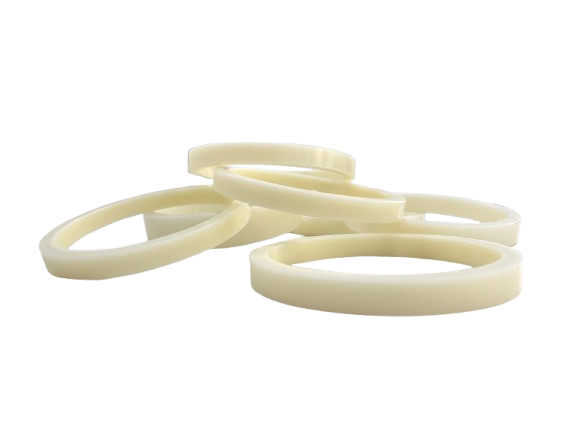
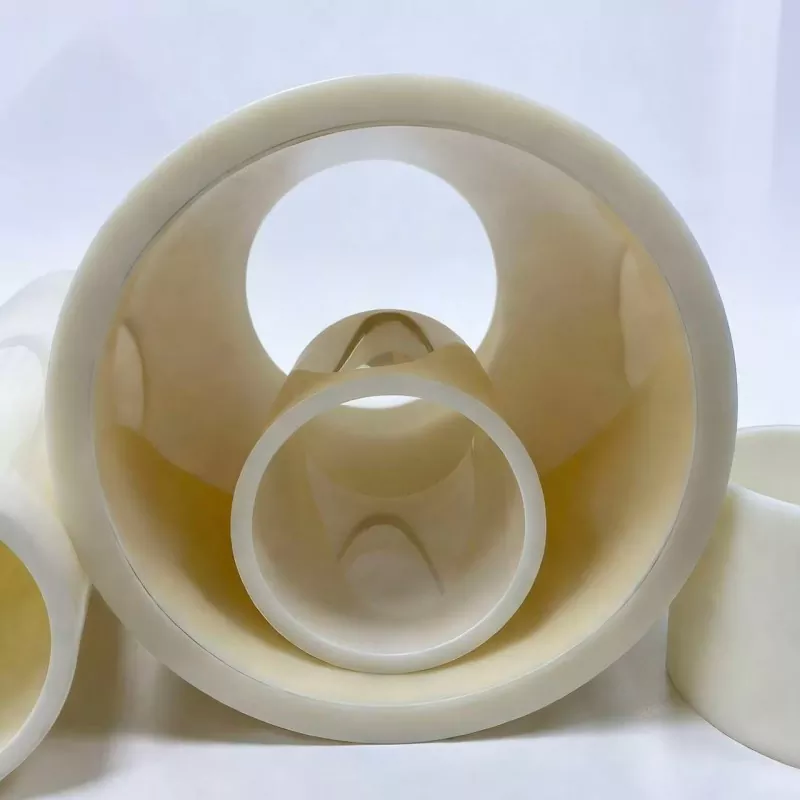
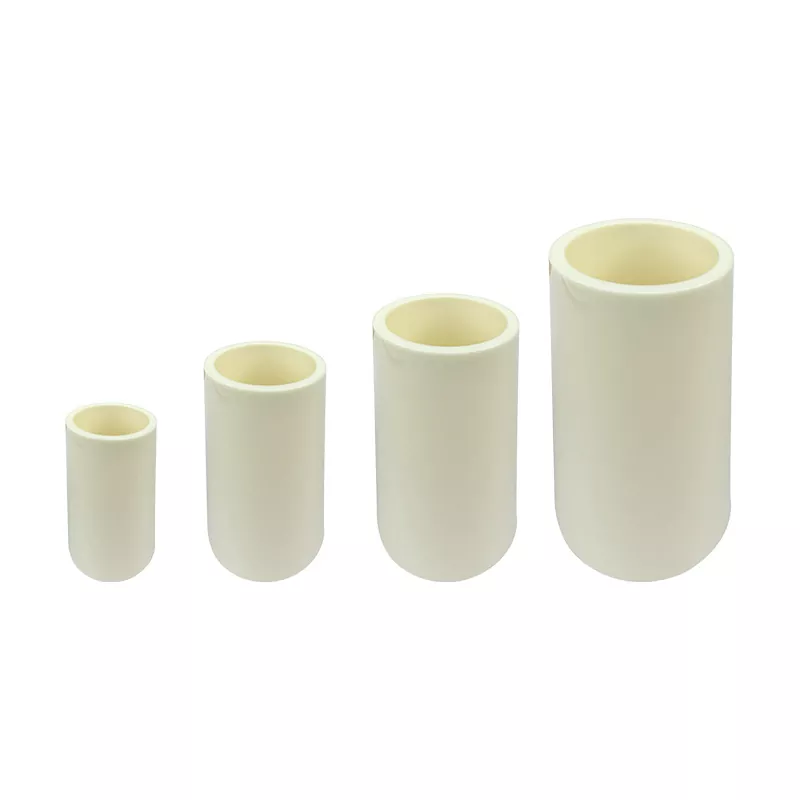
3 inches 8mm Thickness ABS core tubes for PET release film
The impact of ABS core tubes on PET release film extends across four key areas: physical support, cleanliness control, dimensional compatibility, and process stability, collectively ensuring both product performance and production efficiency. As a critical winding medium for PET release film, ABS co......
Send Inquiry
Product Description
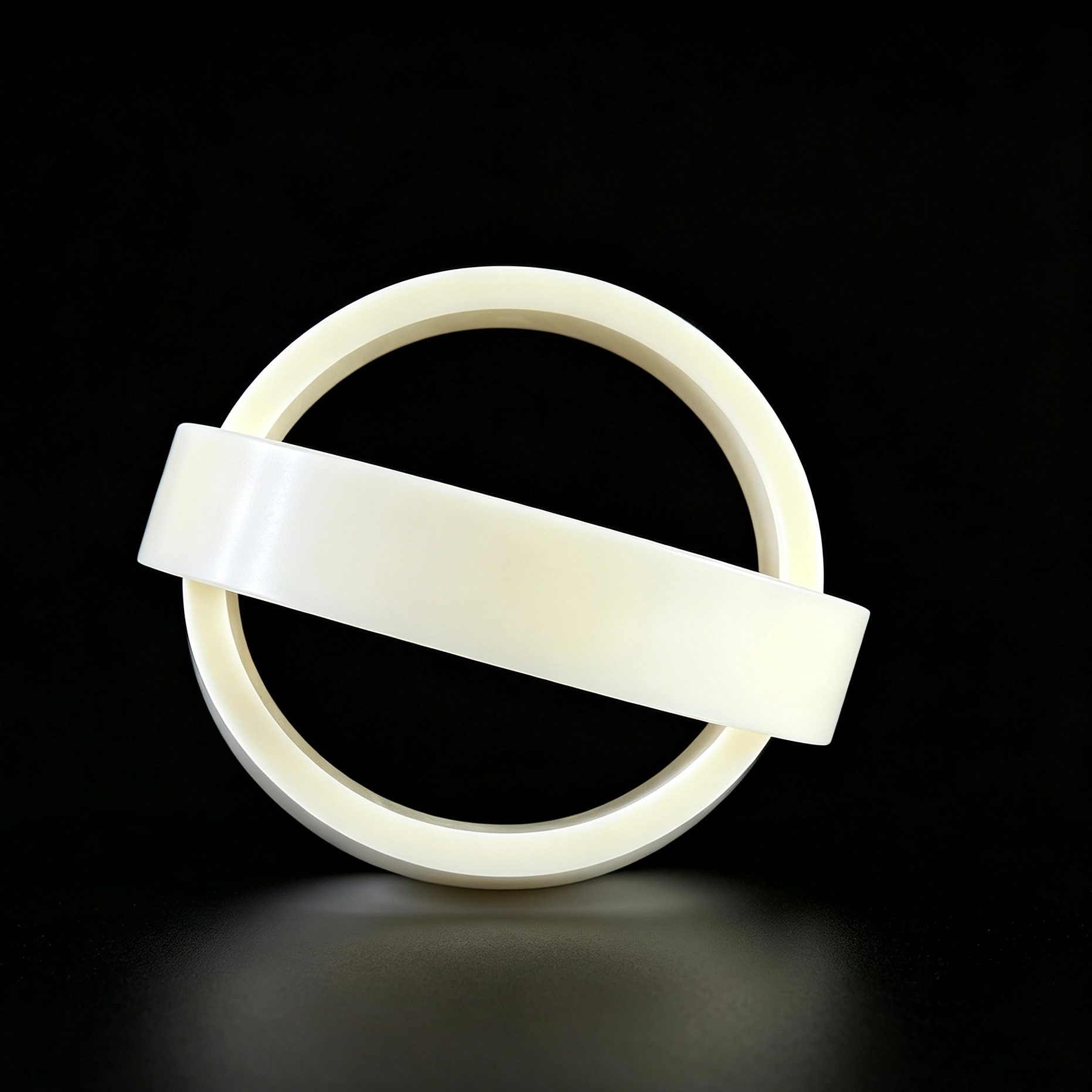
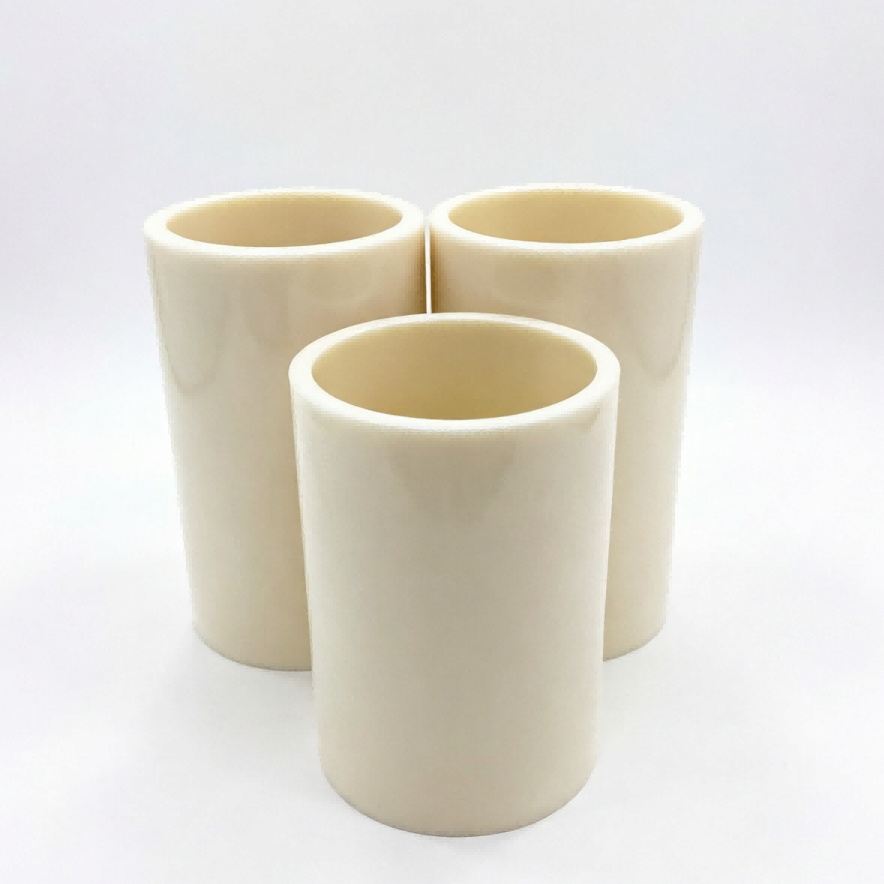
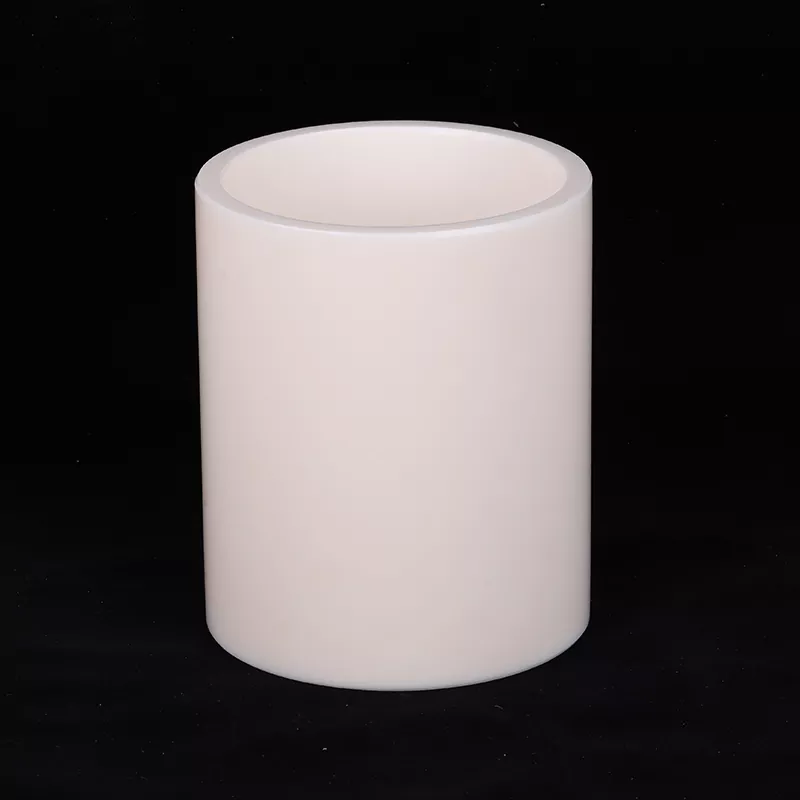
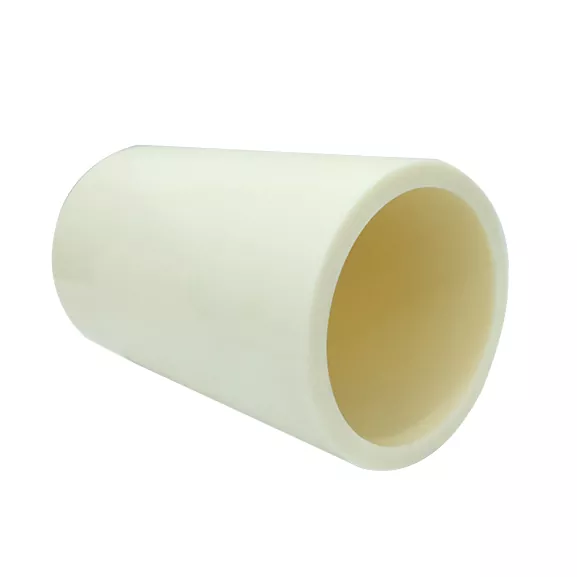
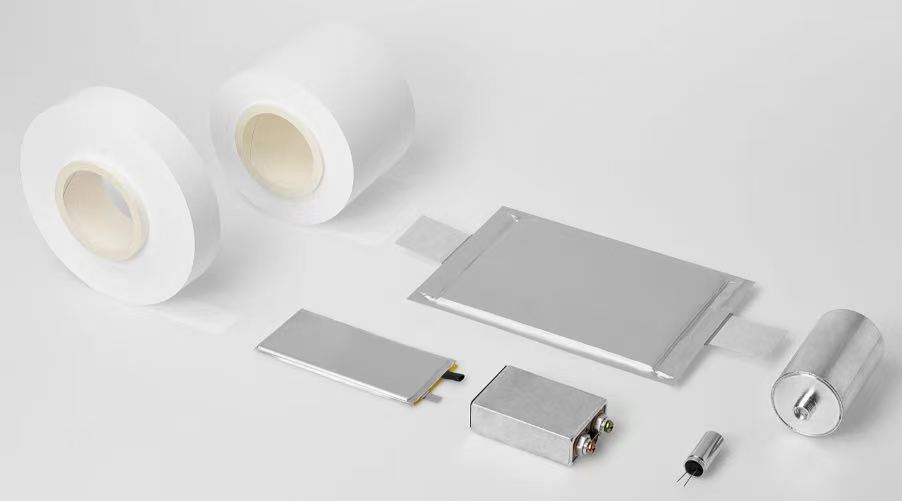
The impact of ABS core tubes on PET release film extends across four key areas: physical support, cleanliness control, dimensional compatibility, and process stability, collectively ensuring both product performance and production efficiency. As a critical winding medium for PET release film, ABS core tubes, with their high strength, high ring stiffness, and resistance to deformation, effectively withstand high loading pressures during high-speed winding (such as in lithium-ion battery separator production). They maintain geometric precision, preventing wrinkles, misalignment, or even breakage of the release film caused by core bending or eccentricity. Particularly in fields with stringent flatness requirements—such as optical films and high-end release films—their physical stability directly determines product yield; In terms of cleanliness control, ABS core tubes must be precisely matched to production environments such as Class 1,000 cleanrooms. By strictly controlling the leaching of low-molecular-weight substances and surface dust from the core, contamination of sensitive products is prevented. For instance, lithium-ion battery separators have zero tolerance for metal ions and dust, requiring core tube suppliers to provide particulate contamination test data to ensure that leached substances do not cause safety hazards such as battery self-discharge. This requirement is particularly critical in the production of electronic-grade PET release film; dimensional compatibility focuses on the precise coordination between the core tube’s inner diameter (e.g., 3 inches/76.2 mm or 6 inches/152.4 mm), and the precise coordination of length with release film specifications (width 1060 mm, length 200 m–2000 m). By optimizing the distribution of winding tension, edge wrinkling or slippage is minimized. For example, in die-cutting and punching processes, even the slightest deviation in core tube dimensions directly affects tension control of the release film, which in turn impacts die-cutting accuracy; Process stability and long-term durability are demonstrated by the ABS core tube’s adaptability to harsh environments such as humidity and exposure to acids and alkalis—through compounding modifications (such as adding PP components) to enhance corrosion resistance and impact strength, reduce moisture sensitivity and the risk of environmental stress cracking, thereby extending service life and ensuring that the winding structure remains stable during long-term storage or transportation of outdoor waterproofing membranes and similar applications. From raw material selection to finished product shipment, Hongkai Plastics implements standardized management throughout the entire production chain of every ABS core tube. Through rigorous quality control, we ensure our products deliver both exceptional performance and reliable quality, providing global customers with efficient, stable, and safe conveying solutions. By using quality as the link to meet industry needs, we continue to create value for the sector.
Hot Tags: Buy 3 inches 8mm Thickness ABS core tubes
ABS Core Tubes Supplier
ABS Pipes Manufacturer
Related Category
Send Inquiry
Please feel free to give your inquiry in the form below. We will reply you in 24 hours.